
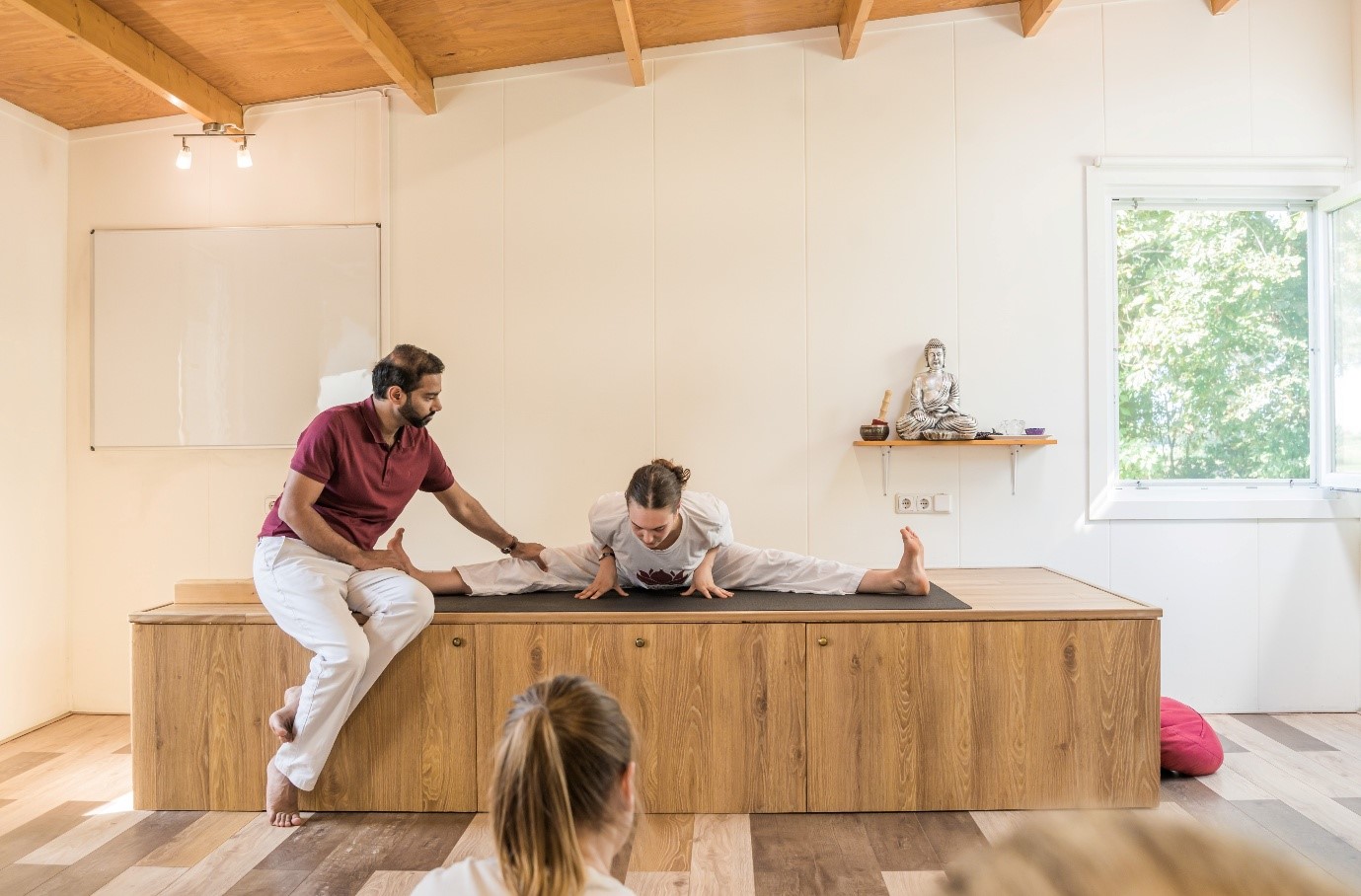
A 200-hour yoga teacher training provides a comprehensive and structured foundation in various aspects of yoga, including asana (postures), alignment principles, human anatomy, pranayama (breath control), basic meditation techniques, and the philosophical underpinnings of yoga.
Additionally, you will learn essential teaching methodologies such as class sequencing, effective cueing, and strategic class planning. This training equips you to lead safe and coherent classes, enabling you to pursue professional registration as a yoga instructor.
It’s important to note that training programs can differ significantly based on factors such as accreditation, the qualifications of the teaching staff, class size, and available mentorship.
Therefore, it is crucial to select a program that aligns with your personal and professional goals.
To prepare for this intensive experience, both physically and mentally, it is advisable to familiarize yourself with the daily schedules, certification requirements, and helpful preparation tips.
Engaging in this training can be a transformative journey that enhances your understanding of yoga and develops your teaching skills.
What You’ll Learn in a 200 Hour Training
In a 200-hour yoga training course, you’ll cover a structured curriculum that balances practice, theory, and teaching skills so you can move from student to confident instructor. You’ll deepen your asana practice, learn anatomy and alignment principles, and study yoga philosophy, including ethical frameworks and historical context, so you can teach with clarity and intention. You’ll develop teaching techniques, sequencing skills, cueing methods, and class planning, while practicing demonstrations and receiving feedback, which builds practical confidence. Training also covers breathing practices, basic meditation, injury prevention, and professional considerations, giving you a thorough foundation to begin teaching responsibly and effectively.
How to Choose the Right Program
Having a clear understanding of what a 200-hour curriculum covers helps you pick a program that matches your goals, so before you enroll, it’s useful to compare offerings across several practical dimensions. Evaluate program accreditation to confirm standards, transferability, and recognition from professional bodies, and check trainer qualifications so you know instructors have depth of study, teaching experience, and relevant certifications. Consider class size, mentorship availability, assessment methods, and post-certification support, while weighing location, schedule, and cost. Ask for syllabi, references, and sample sessions, and prioritize transparent communication and clear learning outcomes aligned with your teaching or personal development aims.
Daily Structure and Curriculum Breakdown
A typical day in a 200-hour yoga teacher training runs on a consistent rhythm, balancing practical practice, theoretical study, and reflective work so you gain both skill and context; mornings often start with an asana practice and alignment lab to build physical understanding, mid-day sessions focus on yoga philosophy, anatomy, and teaching methodology with lectures and demonstrations, and afternoons are reserved for practicum, sequencing workshops, and observation or peer-teaching practice, while evenings may include restorative practices, pranayama, or self-study. Your daily schedule follows a clear curriculum overview that outlines learning goals, time blocks, assessment methods, and practical teaching hours.
- Consistent practice and alignment labs
- Lecture-based theory sessions
- Sequencing and practicum workshops
- Reflection, pranayama, restorative study
Certification, Registration, and Career Paths
One clear step after completing your 200-hour training is to pursue certification and registration, which validates your skills, connects you to industry standards, and opens doors to teaching opportunities; you’ll typically receive a certificate from the training school that documents hours, curriculum topics, and instructor credentials, and many graduates then register with a recognized organization, such as Yoga Alliance or a national body in your country, to gain an official listing and access to professional resources. You should learn the certification benefits, follow the registration process carefully, maintain continuing education, investigate employment options, build a portfolio, and network for sustainable career paths.
Preparing Mentally and Physically for the Immersion
After you’ve completed the certification and registration steps, shift your focus to preparing mentally and physically for the immersion, because a concentrated training period demands deliberate planning beyond paperwork and credentials. You’ll need mental readiness, which means setting realistic goals, organizing study time, and cultivating focus habits, and physical conditioning, which involves building strength, flexibility, and endurance to handle long practice days. Prioritize sleep, nutrition, and progressive practice, and plan recovery strategies. Consider logistics, expectations, and support systems so you can engage fully.
- Establish a daily practice routine
- Improve cardiovascular fitness
- Schedule rest and recovery
- Create study and reflection goals
Conclusion
Completing a 200-hour yoga teacher training program equips you with essential knowledge in foundational anatomy, teaching methodology, sequencing, ethics, and practical class experience. This comprehensive training provides you with the necessary tools to teach with confidence and pursue further studies, while also fulfilling the credentialing requirements needed for registration. When selecting a program, it is crucial to find one that aligns with your personal goals, fits into your schedule, and caters to your preferred learning style. Additionally, it’s important to prepare both mentally and physically for an immersive practice, as this transformative experience can significantly influence your teaching approach, much like a steady lens that clarifies a complex image.