
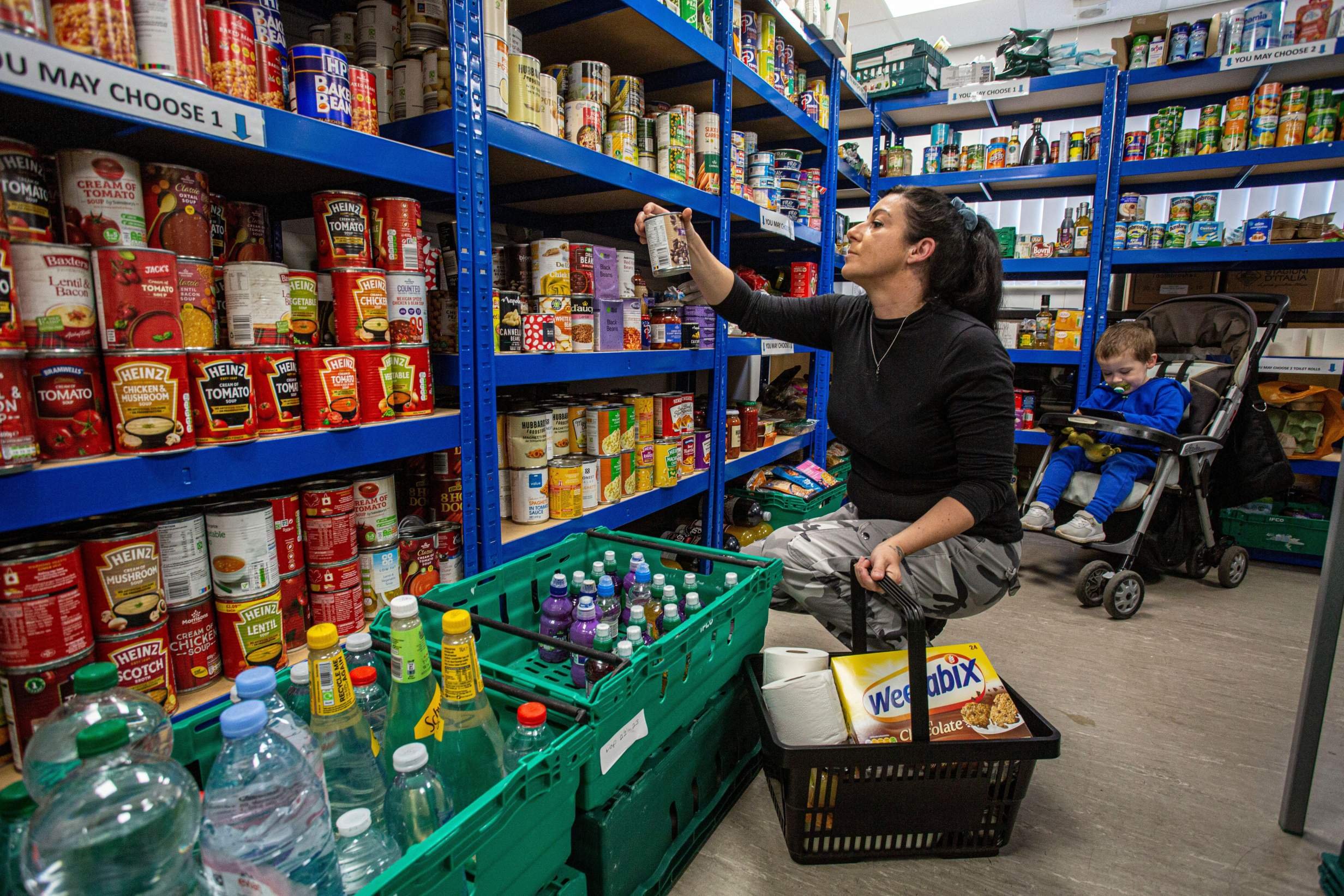
Food insecurity can affect households for many different reasons. A sudden job loss, rising living expenses, unexpected medical bills, reduced working hours, or another financial setback can quickly make grocery shopping difficult. During these periods, local food banks provide an important source of practical support. Their contribution, however, extends beyond supplying groceries. By helping people maintain access to food during challenging periods, these organizations can also contribute to greater stability across the wider community.
Providing Immediate Support During Difficult Times
One of the most important functions of a food bank is meeting an immediate and essential need. When household income is stretched, families may have to make difficult decisions between groceries, rent, utilities, transportation, and other necessary expenses.
Food assistance can reduce some of that pressure. Access to pantry staples, fresh produce, and other available food items may allow households to redirect limited resources toward housing, bills, transportation, or other urgent costs.
People searching online for food banks near me are often looking for assistance that is practical and accessible within their own community. Local organizations can help connect individuals and families with food resources without requiring them to travel long distances when transportation may already be a challenge.
Supporting Better Access To Nutritious Food
Food insecurity is not simply about having too little food. It can also affect the variety and nutritional quality of the food a household can afford. When budgets become extremely limited, purchasing fresh produce and balanced ingredients may become more difficult.
Many food assistance programs work to provide a combination of pantry staples and nutritious options when supplies allow. Fruits, vegetables, grains, proteins, dairy products, and shelf-stable foods can help households prepare more balanced meals.
Reliable access to food is especially important for households with children, older adults, and people managing demanding work or school schedules. Nutritious meals can support everyday routines and reduce some of the uncertainty associated with an unstable food budget.
Helping Families Maintain Financial Stability
Food assistance can have a broader financial impact than it initially appears. Grocery expenses represent a significant part of many household budgets, particularly as food prices and other living costs increase.
Temporary assistance may give a household enough breathing room to manage other essential expenses. A parent dealing with reduced work hours, for example, may be able to keep up with an electricity bill or transportation costs while receiving grocery support.
This makes food banks part of a larger community safety net. They do not necessarily solve the underlying causes of financial hardship, but they can provide valuable support while individuals work toward greater stability.
Strengthening Connections Within The Community
Local food banks also create opportunities for people to support one another. Volunteers may help organize supplies, prepare food distributions, assist visitors, or participate in community events. Residents and local organizations can contribute through food donations, financial support, and volunteer work.
These efforts create connections among individuals, nonprofit organizations, businesses, schools, community groups, and other local partners.
Such cooperation can make communities more responsive during periods of increased need. When economic conditions change, or unexpected events affect local households, an established network of food assistance organizations and volunteers can respond more effectively.
Reaching Different Groups Facing Food Insecurity
There is no single profile of someone who may need food assistance. A household that appears financially secure can experience an unexpected setback. Seniors living on fixed incomes may struggle as everyday costs rise. Students, working families, people between jobs, and individuals facing temporary emergencies can also encounter difficulty purchasing enough groceries.
Recognizing this diversity is important because food insecurity is not limited to any single age group or circumstance. Accessible local programs allow support to reach people at different stages of life and during different types of financial challenges.
Encouraging Community Participation
Food banks depend heavily on community involvement. Individuals can contribute in several ways, including donating appropriate food items, volunteering their time, supporting fundraising initiatives, or making financial contributions.
Local businesses can participate as well. Grocery stores, restaurants, employers, schools, and community organizations may organize donation drives or develop partnerships with hunger relief programs. Even small contributions can become meaningful when they are combined with the efforts of many people.
Community members can also help by sharing accurate information about available assistance. Someone experiencing food insecurity may not know what resources exist nearby or where to begin looking for support.
Building Stability One Household At A Time
Local food banks address an immediate concern, but their broader value lies in helping communities remain resilient. When households can access food during financially difficult periods, they may be better positioned to manage other responsibilities and work toward longer-term stability.
Food assistance is therefore more than the distribution of groceries. It represents cooperation between neighbors, volunteers, donors, organizations, and local partners. By helping ensure that people have access to essential food resources when circumstances become difficult, food banks strengthen the support systems that allow communities to respond to hardship together.