
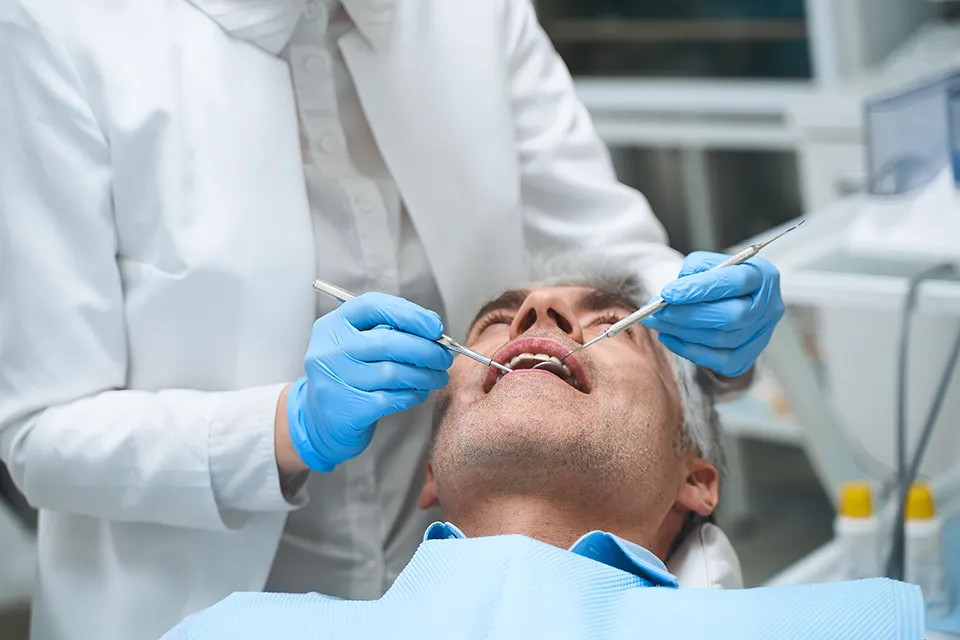
Advancements in dentistry have transformed the way people care for their teeth and gums. Modern dental treatments are no longer limited to basic cleanings and fillings. To provide better outcomes with more comfort, they now integrate technology, accuracy, and patient-centred care. These innovations not only improve oral health but also boost confidence and overall well-being. Choosing a trusted Hornsby dentist can make a significant difference in achieving effective treatments that enhance both oral health and overall confidence.
A New Standard In Preventive Care
Prevention is at the core of modern dentistry. Routine checkups, professional cleanings, and early diagnosis techniques help identify issues before they become serious problems. Dentists now use advanced tools to detect cavities, gum disease, and other conditions at an early stage.
By addressing problems early, patients can avoid more complex procedures later. This proactive approach keeps teeth and gums healthier for longer and reduces the risk of long-term complications.
Advanced Treatments For Better Results
Modern dental treatments have become more effective thanks to new techniques and materials. Procedures such as tooth coloured fillings, crowns, and root canal treatments are now designed to preserve as much of the natural tooth as possible.
These treatments not only restore function but also maintain a natural appearance. Patients can chew, speak, and smile with confidence, knowing their dental work blends seamlessly with their existing teeth.
Enhancing Aesthetic Appeal
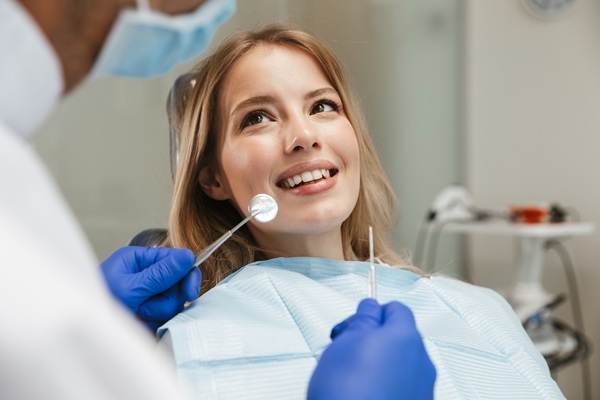
A major benefit of modern dental treatments is their ability to improve the look of a smile. Cosmetic procedures such as teeth whitening, veneers, and aligners have become widely accessible and highly effective.
These treatments can correct discolouration, misalignment, and uneven shapes, helping individuals achieve a more balanced and attractive smile. A happier smile frequently results in more self-assurance, which has a discernible impact on interactions in both personal and professional contexts.
Improved Comfort And Reduced Anxiety
Dental anxiety has been a common concern for many people, but modern techniques have significantly improved patient comfort. Minimally invasive procedures, advanced anesthesia methods, and better equipment make treatments quicker and less painful.
This shift has encouraged more people to seek regular dental care without fear. When patients feel comfortable, they are more likely to maintain consistent visits, which contributes to better oral health outcomes.
Personalised Treatment Plans
Every individual has unique dental needs, and modern dentistry recognises the importance of personalised care. Dentists now create customised treatment plans based on a patient’s oral condition, lifestyle, and goals.
Every patient will receive the best care possible for their circumstances thanks to this customised approach. Whether it is preventive maintenance or restorative work, personalised plans lead to more effective and lasting results.
Supporting Overall Health
Modern dental care reflects the intimate relationship between oral health and general health. Conditions such as gum disease can impact other areas of the body if left untreated. Patients can lower their risk of linked health problems by keeping their teeth and gums healthy.
Regular dental care contributes to better hygiene, improved nutrition, and a healthier lifestyle. This holistic approach highlights the importance of oral care beyond just the mouth.

Long-Term Benefits And Confidence Boost
One of the most significant impacts of modern dental treatments is the confidence they bring. A healthy and attractive smile can improve self-esteem and encourage positive social interactions.
When individuals feel good about their smile, they are more likely to engage openly with others. This self-assurance can impact a number of facets of life, including professional prospects and interpersonal connections.
Conclusion
Modern dental treatments have redefined oral care by combining advanced technology with patient-centred approaches. They improve oral health through early detection, effective treatments, and personalised care while enhancing the appearance of smiles. By reducing discomfort and delivering reliable results, these treatments encourage people to prioritise their dental health. Ultimately, a healthy smile not only supports physical well-being but also builds confidence that can positively impact everyday life.